Introduction to Eco-Friendly Hardwood Flooring
As we move deeper into 2026, eco-conscious living has become more prevalent, and this includes the choices we make in home flooring. For homeowners in Walnut Creek, selecting eco-friendly hardwood flooring is a significant step toward sustainability. This guide explores seven effective strategies to make your hardwood floors more environmentally friendly.
1. Choose Sustainable Wood Sources
One of the foundational steps in eco-friendly flooring is selecting wood from sustainable sources. When choosing hardwood for your floors, look for certifications such as the Forest Stewardship Council (FSC) label, which ensures the wood has been harvested in an environmentally responsible manner.
Benefits of Sustainable Wood
- Preservation of Natural Forests: Sustainably sourced wood helps maintain biodiversity.
- Better Quality: Often, sustainably sourced woods are of higher quality, adding durability to your flooring.
2. Opt for Engineered Hardwood
Engineered hardwood is a fantastic eco-friendly alternative to traditional solid wood floors. It uses a veneer of real wood atop multiple layers of plywood, reducing the amount of harvested timber while providing the look and feel of solid wood.
Why Engineered Hardwood?
- Resource Efficiency: Uses less hardwood than solid wood flooring.
- Stability: Less prone to expansion and contraction, ideal for Walnut Creek's varying climate.
3. Water-Based Finishes
When it comes to finishing your hardwood floors, water-based finishes are a more eco-friendly choice compared to oil-based products. These finishes emit fewer volatile organic compounds (VOCs), improving indoor air quality.
Advantages of Water-Based Finishes
- Quick Drying: Faster application and completion.
- Low Odor: More pleasant for installation and immediate use.
4. Reclaimed Wood Flooring
Reclaimed wood flooring is not only eco-friendly but also adds character to your home with its unique history and appearance. This strategy involves recycling old wood from demolished buildings or other sources.
Benefits of Reclaimed Wood
- Unique Aesthetic: Each plank tells a story with its unique grain and wear patterns.
- Conservation: Reduces the demand for newly harvested wood.
5. Use Non-Toxic Adhesives
During installation, the choice of adhesives can significantly impact the environmental footprint of your flooring. Opt for non-toxic, low-VOC adhesives to ensure a healthier home environment.
Why Non-Toxic Adhesives Matter
- Healthier Indoor Air: Reduces exposure to harmful chemicals.
- Compliance with Green Building Standards: Meets many eco-friendly building codes.
6. Maintenance with Green Products
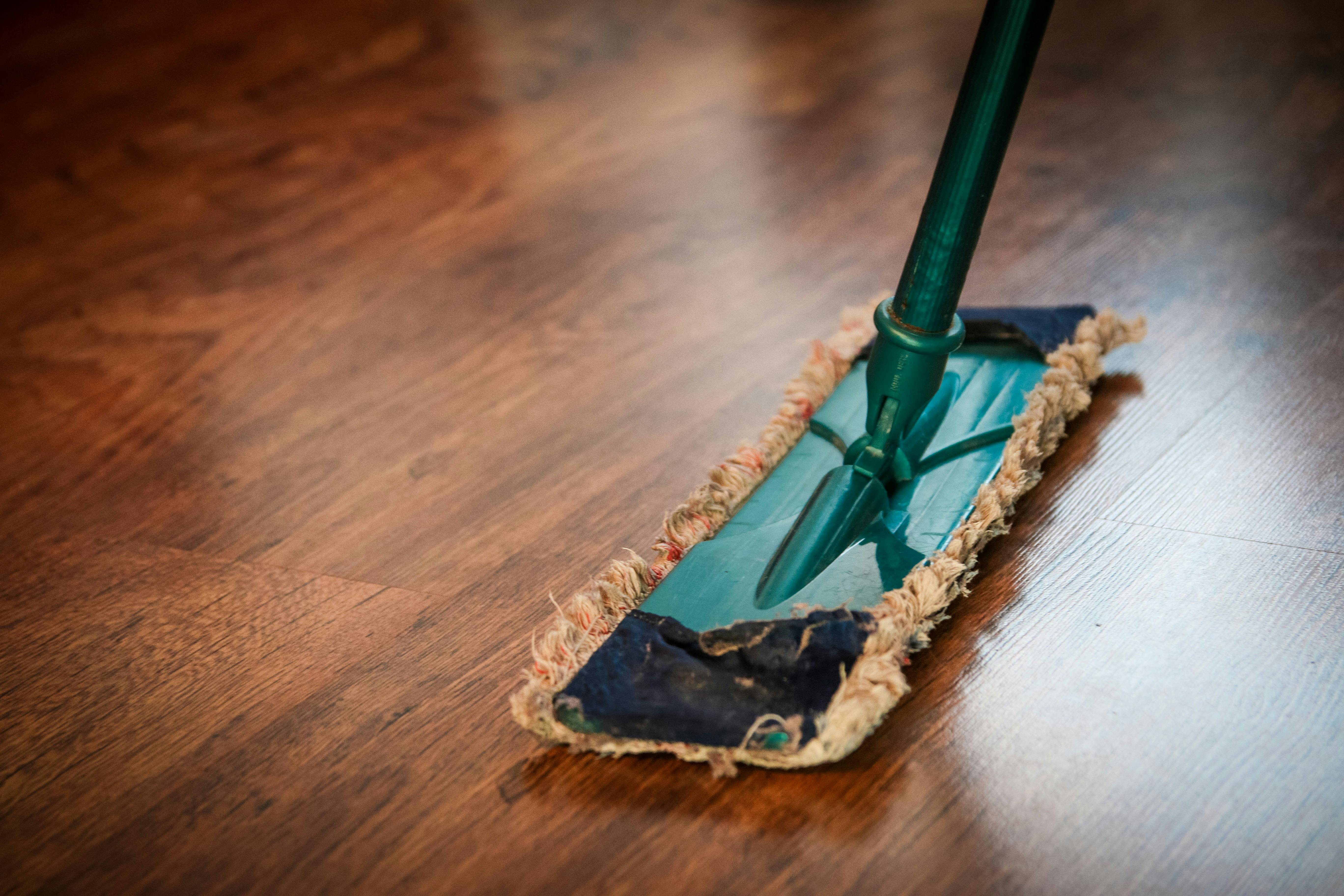
Maintaining your hardwood floors with eco-friendly cleaning products is crucial. These products are free from harsh chemicals and are biodegradable, ensuring the longevity and beauty of your floors while being kind to the environment.
Eco-Friendly Cleaning Tips
- Natural Ingredients: Use mixtures of vinegar and water for cleaning.
- Microfiber Cloths: These are effective and reduce waste compared to disposable products.
7. Professional Installation and Consulting
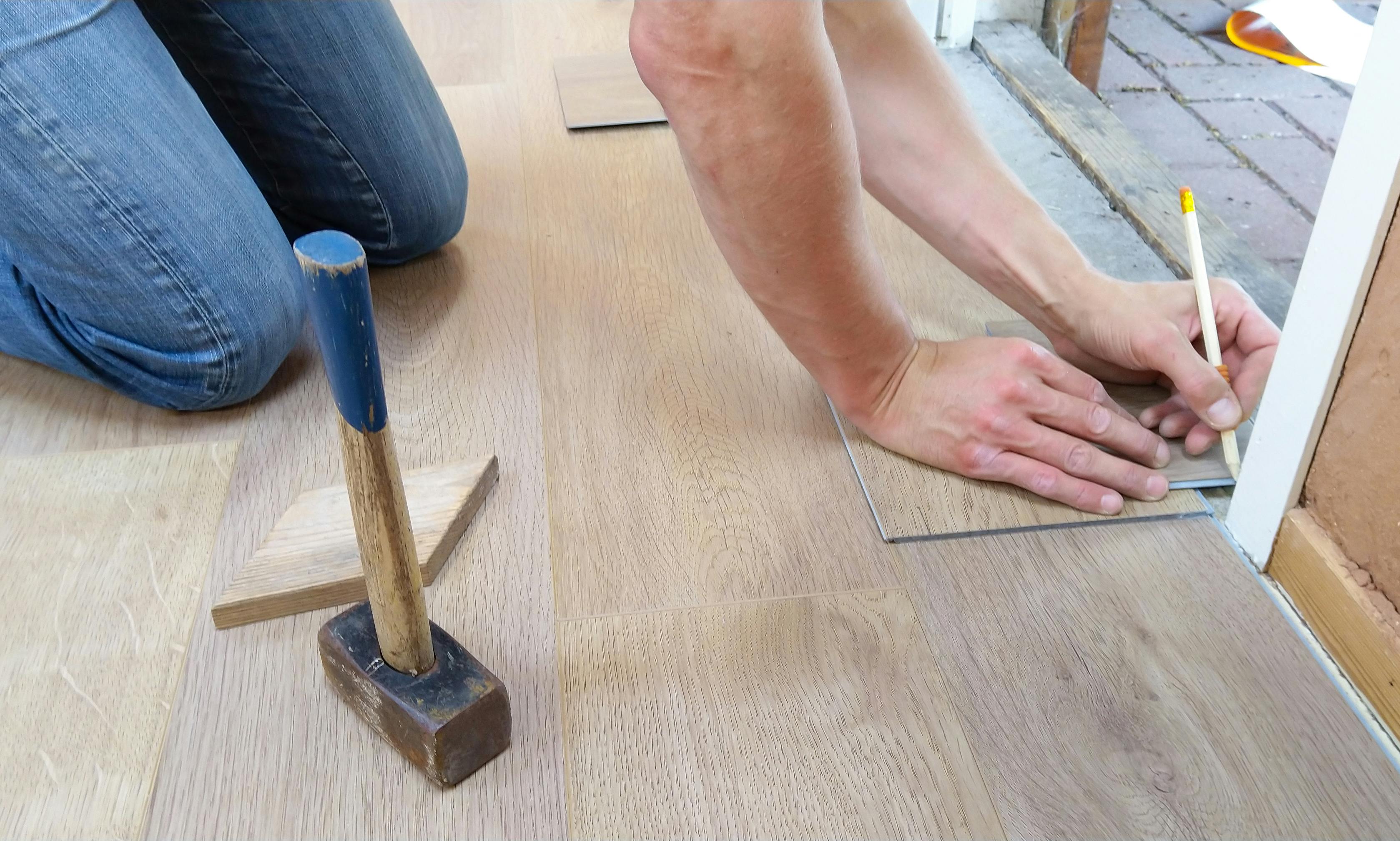
Finally, hiring professionals who are experienced in eco-friendly flooring installation can make a significant difference. They can provide insights and ensure that the most sustainable practices are followed throughout the process.
Value of Professional Advice
- Expertise: Professional advice ensures optimal use of materials and techniques.
- Saves Time and Resources: Efficient installation reduces waste and energy use.
Conclusion: Embrace Sustainability in Walnut Creek
As a Walnut Creek homeowner, embracing these eco-friendly strategies for your hardwood floors not only contributes to a healthier planet but also enhances the beauty and value of your home. By choosing sustainable materials, finishes, and practices, you are making a conscious choice for a greener future in 2026 and beyond.
For more information on eco-friendly hardwood floor options, feel free to contact Hardwood Floors By Jonathan Gayer. Our experts are ready to assist you in making the best choices for your home.